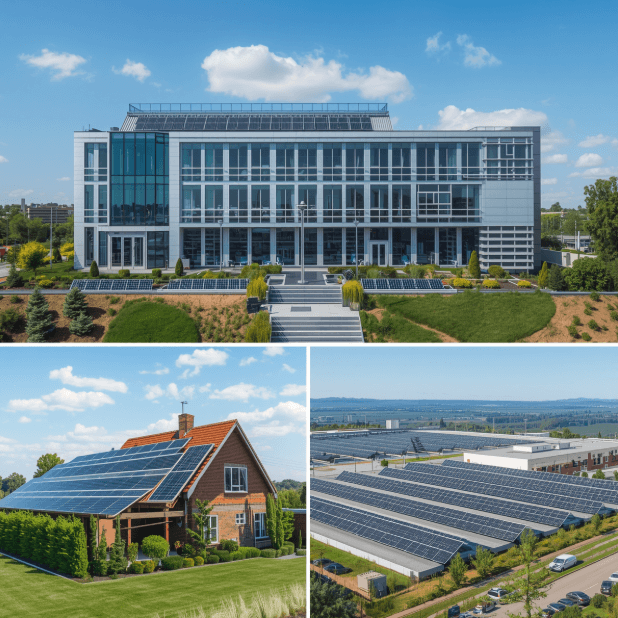
Electricity prices in Pakistan continue to rise, and power outages remain a challenge for many households and businesses. As a result, more people are turning to renewable energy solutions to achieve energy independence and reduce their monthly bills. Among all alternatives, a Solar Power System in Pakistan has emerged as one of the most reliable, cost-effective, and environmentally friendly options.
From homes and offices to factories and farms, solar energy is transforming the way Pakistan generates and consumes electricity. With abundant sunlight available throughout the year, Pakistan has excellent potential for solar energy production.
In this article, we’ll explore how solar power systems work, their benefits, types, installation process, and why they are becoming increasingly popular across Pakistan.
What Is a Solar Power System?
A Solar Power System in Pakistan is a setup that converts sunlight into usable electricity through solar panels and related equipment. These systems help generate clean energy without relying heavily on traditional electricity sources.
A typical solar system includes:
- Solar panels
- Inverter
- Batteries (optional)
- Mounting structure
- Wiring and protection equipment
Solar panels capture sunlight, while the inverter converts the generated energy into electricity that can power homes and businesses.
Why Solar Power Is Growing Rapidly in Pakistan
The demand for Solar Power Systems in Pakistan has increased significantly in recent years due to several factors.
Rising Electricity Bills
Electricity tariffs in Pakistan have continued to increase, putting financial pressure on households and businesses. Solar energy allows users to generate their own electricity and reduce dependency on the national grid.
Frequent Load Shedding
Power outages remain a major issue in many cities and rural areas. A solar system with battery backup can provide uninterrupted electricity during load shedding.
Abundant Sunlight
Pakistan receives strong sunlight for most of the year, making it an ideal country for solar energy generation. Cities like Lahore, Karachi, Islamabad, and Faisalabad receive enough sunlight to support efficient solar power production.
Environmentally Friendly Energy
Unlike fossil fuels, solar energy produces clean electricity without harmful emissions. Installing a Solar Power System in Pakistan helps reduce carbon emissions and supports a greener environment.
Types of Solar Power Systems in Pakistan
Different solar systems are available depending on energy needs and budget.
On-Grid Solar System
An on-grid system is connected directly to the national electricity grid.
Benefits include:
- Lower electricity bills
- Net metering opportunities
- Cost-effective installation
With net metering, excess electricity generated by solar panels can be exported back to the grid, helping users earn energy credits.
Off-Grid Solar System
Off-grid systems operate independently without relying on the national grid.
Ideal for:
- Remote areas
- Farms
- Villages with unreliable electricity
These systems use batteries to store electricity for nighttime and backup use.
Hybrid Solar System
A hybrid system combines the features of both on-grid and off-grid systems.
Advantages:
- Battery backup during outages
- Reduced electricity bills
- Greater energy independence
Hybrid systems are becoming increasingly popular for homes and businesses in Pakistan.
Benefits of Installing a Solar Power System in Pakistan
1. Lower Electricity Bills
One of the biggest advantages of installing a Solar Power System in Pakistan is reducing monthly electricity expenses. Depending on system size and energy usage, some users can cut bills significantly.
2. Protection Against Rising Energy Costs
Electricity rates continue to fluctuate, but solar energy offers long-term stability by allowing users to generate their own power.
3. Energy Independence
With solar power, households and businesses rely less on electricity providers and experience fewer disruptions during power shortages.
4. Low Maintenance Requirements
Solar systems require minimal maintenance. Occasional panel cleaning and routine inspections are usually enough to keep the system operating efficiently.
5. Increased Property Value
Properties equipped with solar systems are often more attractive to buyers due to lower energy costs and sustainable energy benefits.
Choosing the Right Solar Power System
Installing a Solar Power System in Pakistan is a long-term investment, so choosing the right setup is extremely important. Every home, office, and business has different energy needs, which means there is no one-size-fits-all solution. Before installing a solar system, several important factors should be carefully considered to ensure maximum efficiency, better savings, and reliable performance.
Energy Consumption
The first step in choosing the right solar system is understanding how much electricity you use every month. Your monthly electricity bill provides useful information about your energy consumption, usually measured in units (kWh).
For example:
- Small households with basic appliances may require a smaller solar system.
- Larger homes with air conditioners, refrigerators, washing machines, and multiple electronic devices may need a higher-capacity system.
- Commercial buildings and factories often require much larger solar installations due to heavy electricity usage.
By reviewing your average monthly electricity consumption, solar experts can recommend the ideal system size for your needs. Choosing the correct size helps avoid overspending on unnecessary capacity or installing a system that cannot meet your electricity demands.
Roof Space
Roof space plays a major role in the performance of a Solar Power System in Pakistan. Solar panels need sufficient space and proper positioning to capture maximum sunlight throughout the day.
Several roof-related factors affect solar efficiency:
- Available roof area
- Roof direction and angle
- Shading from nearby buildings or trees
- Structural strength of the roof
In Pakistan, south-facing roofs generally receive the best sunlight exposure, making them ideal for solar panel installation. If your roof has limited space, high-efficiency panels may be recommended to generate more electricity in a smaller area.
A professional site inspection helps determine the best panel placement for maximum energy production.
Budget
Budget is another important factor when selecting a solar system. The cost of a Solar Power System in Pakistan depends on several components, including:
- Quality of solar panels
- Inverter type and capacity
- Battery backup system
- Installation complexity
- System size
Premium-quality panels and inverters may cost more initially, but they often provide better performance, higher durability, and longer warranties. On the other hand, lower-cost systems may save money upfront but could lead to reduced efficiency and higher maintenance costs over time.
It’s important to view solar energy as a long-term investment. Although the initial setup cost may seem high, the reduction in electricity bills often helps recover the investment within a few years.
Backup Requirements
In many parts of Pakistan, frequent load shedding and power outages remain a serious issue. That’s why backup power requirements should be considered before choosing a solar system.
There are generally three options:
On-Grid System
Works with the national grid but usually shuts down during power outages. Best for areas with stable electricity supply.
Off-Grid System
Operates independently using battery storage. Ideal for remote locations with limited grid access.
Hybrid Solar System
Combines solar panels, batteries, and a grid connection. This option provides electricity during both normal conditions and load shedding.
If an uninterrupted power supply is important for your home or business, a hybrid or battery-supported system is often the best choice. These systems store excess solar energy in batteries so it can be used during nighttime or electricity outages.
See also: How DDR4 Memory Technology Enhances Speed and System Efficiency
Common Misconceptions About Solar Power
Despite growing awareness, some myths about solar energy still exist.
Myth: Solar Panels Don’t Work in Winter
Truth: Solar panels still generate electricity during winter and cloudy weather, though efficiency may vary.
Myth: Solar Systems Are Too Expensive
Truth: While installation requires an initial investment, long-term savings often outweigh the upfront cost.
Myth: Solar Panels Require Constant Maintenance
Truth: Modern solar systems are durable and generally require minimal upkeep.
Future of Solar Power in Pakistan
The future of Solar Power Systems in Pakistan looks extremely promising. As technology improves and awareness increases, solar adoption is expected to grow rapidly.
Government initiatives, rising electricity costs, and increased environmental awareness are all encouraging more households and businesses to shift toward renewable energy solutions.
Solar power is becoming a key part of Pakistan’s sustainable energy future.
Final Thoughts
Installing a Solar Power System in Pakistan is no longer just an alternative energy option, it’s a smart financial and environmental investment. With rising electricity prices, frequent load shedding, and abundant sunlight available across the country, solar energy offers a practical solution for homes and businesses alike.
Whether you want to lower electricity bills, gain energy independence, or contribute to a cleaner environment, solar power provides long-term benefits that continue to grow year after year.
Now is the perfect time to embrace renewable energy and move toward a brighter, more sustainable future with solar power.