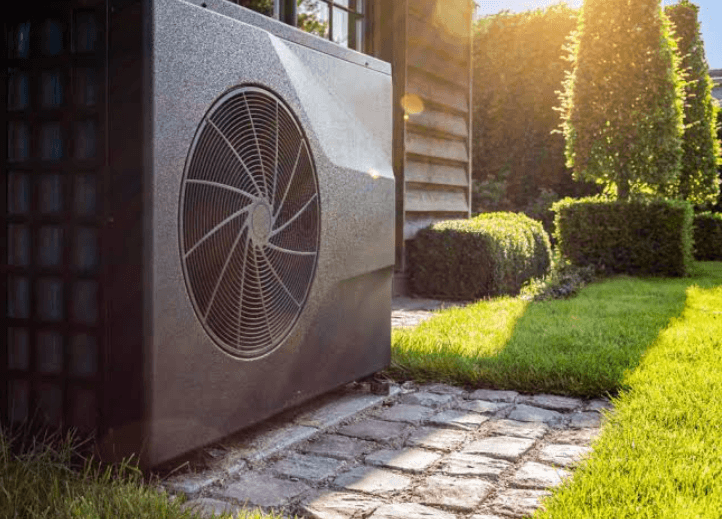
Choosing between a heat pump and a traditional central air system is one of the most important decisions a homeowner can make when replacing or installing new climate control equipment. Both options can cool a home effectively, yet they differ in how they heat, how efficiently they operate, and how well they match local weather patterns. Understanding those differences helps avoid costly mismatches and supports long-term comfort. Homeowners planning an upgrade often begin by consulting experienced HVAC installation Barnesville, GA professionals who can evaluate the house, existing ductwork, and regional climate before recommending either system.
How Each System Works
A traditional central air conditioner cools by moving heat from inside the home to the outdoors. It relies on a separate furnace or other heating source for winter warmth. The outdoor unit contains the compressor and condenser, while the indoor evaporator coil sits in the air handler or furnace. Refrigerant cycles between the two components to absorb and release heat.
A heat pump uses the same basic refrigeration cycle but can reverse direction. In cooling mode it operates like a conventional air conditioner. In heating mode it extracts heat from outdoor air—even in cold weather—and moves that heat indoors. Because it transfers heat rather than generating it through combustion or electric resistance, a heat pump can deliver more heating energy than it consumes in electricity under the right conditions.
Both systems typically share the same ductwork and indoor air handler, so the choice often centers on the outdoor unit and controls rather than a complete redesign of the home’s distribution system.
Efficiency and Operating Costs
Heat pumps generally earn higher efficiency ratings for both heating and cooling. In moderate climates they can reduce annual energy use compared with a furnace-and-air-conditioner combination, especially when the furnace is an older, lower-efficiency model. Modern variable-speed and cold-climate heat pumps maintain useful heating capacity at lower outdoor temperatures than earlier generations, narrowing the performance gap in cooler weather.
Traditional central air paired with a gas furnace may still prove less expensive to operate in regions where natural gas prices remain low and winter temperatures frequently drop below the efficient range of a standard heat pump. Electricity rates, fuel costs, and the actual efficiency of the existing furnace all influence the long-term operating comparison. A detailed load calculation and energy-cost analysis provide clearer numbers than general rules of thumb.
Climate Considerations
Local weather plays a decisive role. In areas with mild winters and long cooling seasons, a heat pump often supplies nearly all heating and cooling needs without supplemental heat. When temperatures fall into the 30s or lower for extended periods, many heat pumps rely on electric resistance backup or a dual-fuel setup that switches to a gas furnace. That hybrid approach preserves efficiency during milder weather while ensuring reliable heat on the coldest days.
Regions that experience both hot summers and occasional hard freezes require careful equipment selection. Cold-climate heat pumps rated for lower outdoor temperatures reduce the hours spent on backup heat. Traditional central air remains a straightforward choice when a reliable gas furnace already exists and the homeowner prefers to keep heating and cooling functions separate.
Installation Requirements and Upfront Investment
Installation complexity is similar when both systems use existing ducts. The outdoor unit must be properly sized, placed on a stable pad with adequate clearance, and connected with correctly charged refrigerant lines. Electrical service may need upgrading for a heat pump, particularly if the home previously used only gas heat and a standard air conditioner.
Upfront costs vary with capacity, efficiency tier, and whether new ductwork or electrical work is required. Heat pumps sometimes carry a higher equipment price than a comparable air conditioner alone, yet the absence of a separate furnace can offset that difference in all-electric homes. Rebates, tax credits, and utility incentives for high-efficiency heat pumps frequently improve the net cost picture and should be factored into any comparison.
Comfort and Performance Features
Both systems can deliver even temperatures when correctly sized and installed. Variable-speed compressors and multi-stage operation, available on many modern heat pumps and some premium air conditioners, reduce temperature swings and improve humidity control in cooling mode. Heat pumps also provide heating without the short, intense bursts of warm air typical of some furnaces, which some occupants find more comfortable.
Noise levels depend more on equipment quality and installation than on system type. Properly mounted outdoor units and insulated refrigerant lines keep sound within acceptable ranges for either option. Indoor air quality benefits equally from good filtration regardless of whether the outdoor unit is a heat pump or a conventional condenser.
See also: Modern Residential Steel Doors That Elevate Home Security Style
Maintenance Needs
Routine care looks nearly identical. Filters need regular replacement, outdoor coils require periodic cleaning, and professional tune-ups once or twice a year help maintain efficiency and catch developing issues. Heat pumps run year-round, so their compressors accumulate more operating hours than a cooling-only air conditioner. That increased runtime makes consistent maintenance especially important for protecting the compressor and reversing valve.
Refrigerant charge accuracy, electrical connections, and defrost cycle operation receive particular attention during heat-pump service visits. Traditional central air systems focus more heavily on cooling performance and coordination with the furnace.
Making the Decision
Several practical questions guide the final choice. How cold do winters typically become, and how many hours does the temperature stay below freezing? What are current and projected costs for electricity versus natural gas? Does the home already have a functional furnace, or is the entire system due for replacement? Are utility incentives available for heat pumps? Is the electrical panel ready for the additional load a heat pump may impose?
An accurate Manual J load calculation remains essential for either system. Oversizing reduces efficiency and comfort; undersizing leaves the home unable to maintain temperature on design days. Duct condition also matters—leaky or poorly insulated ducts waste energy no matter which outdoor unit is selected.
Final Considerations
Selecting the right system—whether a high-efficiency heat pump or a traditional central air conditioner—directly impacts home comfort, energy costs, and long-term HVAC performance. Heat pumps excel in energy-efficient heating and cooling for milder climates, while central air paired with a furnace remains a strong choice in regions with colder winters or lower gas prices.
By carefully evaluating climate conditions, energy rates, existing equipment, and total cost of ownership, homeowners can choose the optimal heat pump or central air system that delivers reliable temperature control and lasting efficiency. Making an informed decision between these two proven HVAC technologies leads to better comfort and stronger energy savings for years to come.